A new study by the Russian Public Opinion Research Center (VCIOM), presented in mid-April 2025, paints a multifaceted and highly relevant picture of the relationship between Russian society and sports. The survey data convincingly demonstrates that physical culture in the public consciousness has long ceased to be merely a matter of personal well-being and has transformed into a significant factor in national development. As the figures show, an overwhelming majority of Russians—65%—already recognize a direct link between the development of the sports industry and the country’s economic prosperity. This perception is not an abstract belief but a reflection of real processes: sports genuinely generate new jobs, stimulate related industries, replenish the state budget through tax revenues, while simultaneously increasing labor productivity and extending citizens’ active longevity.
The dynamics of citizens’ involvement in sports life can be considered encouraging. Despite the upheavals of recent years related to the pandemic, the overall level of physical activity among the population has not only stabilized but also reached record levels. Today, for almost every third Russian, sport has become an integral part of their daily routine, which is the highest indicator in the last five years of observations. In total, about three-quarters of the population can be classified as more or less active citizens, indicating the deep penetration of the healthy lifestyle idea into the masses. It is noteworthy that those who engage in sports themselves tend to emphasize its positive impact on the economy more often, suggesting personal involvement and a deeper understanding of the broader context.
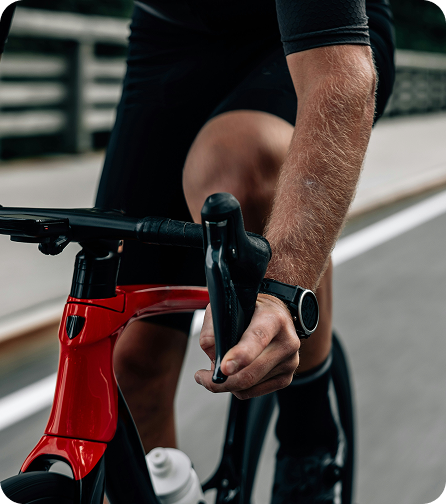
However, behind the overall positive statistics lie specific preferences and a certain conservatism in Russians’ sports habits. Typically, an individual’s interest is limited to one type of activity. This phenomenon has a dual explanation: on one hand, it is facilitated by objective constraints such as lack of time and financial resources, and on the other, by a subjective reluctance to “spread oneself too thin,” when a person is completely satisfied with the discipline they have already chosen. A vivid illustration of national priorities is the popularity rating. Unequivocal leadership is held by activities aimed at maintaining tone and improving physical shape: running and race walking take first place (39% among those who exercise), followed by fitness (30%). Middle positions are occupied by physical therapy, cycling, swimming, strength training, and winter sports. The outsiders are contact and team activities, such as martial arts, football, or volleyball, which, even if all necessary conditions were available, would not become the preferred choice for the majority.
A curious psychological and socio-cultural portrait of the nation is revealed in the answers to a hypothetical question about the choice of sport with unlimited resources. Contrary to the stereotype of a craving for luxury and elite leisure, Russians largely demonstrate a commitment to simplicity and common sense. Even with ample free time and financial means, the ideal option for them would be visiting a swimming pool. This choice, uniting both experienced athletes and the part of the population far from sports, eloquently speaks of fundamental values: accessibility, health benefits, and a lack of excessive pomp.
The generational breakdown of sports activity deserves special attention. The undeniable driver of the physical culture movement is youth aged 18 to 33, representing Generations Z and younger Millennials. Their level of involvement is one and a half times higher than that of older age groups. The explanation for this phenomenon lies in a complex combination of factors: higher levels of physical literacy, the influence of the healthy lifestyle trend, and, importantly, objectively better health and endurance, allowing them to master intensive disciplines. It is the youth who more often choose fitness and strength training, setting trends for the whole society.
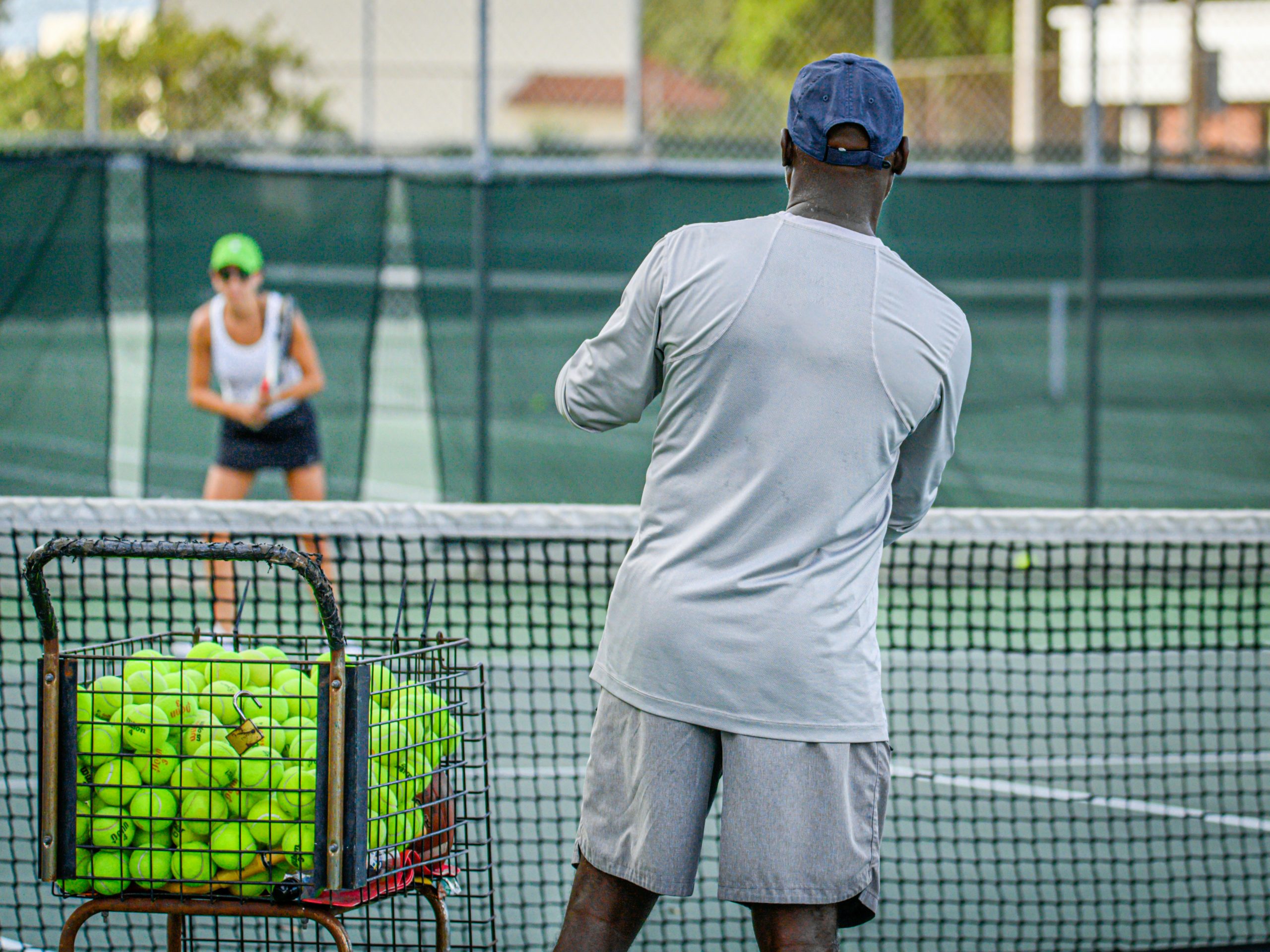
However, when it comes to elite sports, Russians show completely different preferences. In the national rating of the highest-paid sports, football leads by a colossal margin (66%), followed by hockey, previously recognized as the national sport. The top five are rounded out by tennis, figure skating, and boxing. This rating reflects not personal preferences but the perception of the media presence and commercial success of various disciplines.
The key question for the further development of mass sports is finding effective incentives. According to the study, the path to increasing the attractiveness of physical culture rests on three pillars. First, the widespread improvement of sports infrastructure, especially for children. Second, consistent promotion of healthy lifestyle principles and educational work with the younger generation. And third, crucially, increasing the affordability of sports. The role of infrastructure is confirmed by clear regional statistics: in Moscow and St. Petersburg, where the most favorable conditions are created, the number of regular athletes is 1.4 times higher than in other types of settlements. This directly influences the choice of activities: if running and walking prevail in the regions as the most accessible types, fitness comes to the fore in the capitals, requiring a developed network of specialized facilities.
Thus, the VCIOM study does not just record the current state of affairs but provides a clear roadmap for action. It proves that investment in sports is a strategically sound investment that simultaneously strengthens the nation’s health, stimulates the economy, and consolidates society. Further progress depends on the targeted and joint work of the state, business, and civil society to create an environment where sports become not just an opportunity, but a natural, pleasant, and integral part of life for every person from Kaliningrad to Vladivostok.