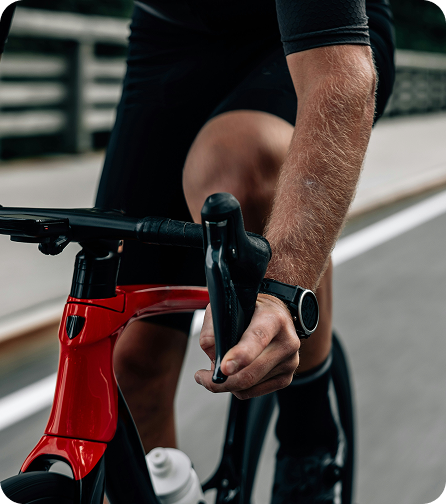

The landscape of sport and fitness is continuously evolving, driven by an insatiable curiosity to push human potential and enhance well-being. The years 2024-2025 have been particularly fruitful, witnessing a surge of innovative research that is redefining training methodologies, injury prevention, nutritional strategies, and the very understanding of the human body in motion. This article delves into the most significant findings and emerging trends shaping the future of athletic performance and general health.
Section 1: Personalized Training and Data-Driven Performance
The Hyper-Personalization Revolution
One of the most profound shifts in recent sport and fitness research is the move towards hyper-personalized training protocols. Gone are the days of one-size-fits-all programs. New studies in 2024-2025 emphasize the intricate interplay of genetics, individual physiological responses, lifestyle factors, and even circadian rhythms in determining optimal training loads and recovery strategies.
Genetic Predisposition and Training Response
Recent genetic research has continued to unlock deeper insights into how an individual’s DNA influences their response to different types of exercise. Studies are moving beyond identifying single gene markers to understanding complex polygenic scores that predict predispositions to endurance versus power, susceptibility to certain injuries, and even metabolic efficiency. This allows for tailored training plans that optimize an athlete’s innate strengths and mitigate weaknesses.
Advanced Biometric Tracking and AI Integration
The proliferation of sophisticated wearables and embedded sensors has generated an unprecedented volume of biometric data. Research in 2024-2025 has focused on leveraging artificial intelligence (AI) and machine learning (ML) to analyze this data. AI algorithms are now capable of identifying subtle patterns in heart rate variability, sleep quality, training load, and recovery markers to provide real-time, adaptive feedback. This enables athletes and fitness enthusiasts to adjust their training based on their body’s immediate state, preventing overtraining and maximizing adaptation.
Predictive Analytics for Injury Prevention
A significant area of focus in 2024-2025 has been the development of predictive models for injury prevention. By integrating historical injury data, biomechanical analyses, and real-time physiological markers, researchers are creating sophisticated algorithms that can identify individuals at high risk for specific injuries before they occur. This allows for proactive interventions, such as targeted strength training, movement correction, or adjustments to training volume.
Section 2: The Evolving Science of Recovery and Regeneration
Beyond Passive Rest: Active Recovery and Bio-Hacking
Recovery is no longer viewed as merely passive rest. New research highlights the importance of active recovery strategies and innovative bio-hacking techniques to accelerate regeneration.
Personalized Nutrition for Recovery
Nutritional science in 2024-2025 has continued to refine its focus on personalized recovery nutrition. Studies are investigating the optimal timing and composition of macronutrients and micronutrients based on individual metabolic profiles, training intensity, and genetic predispositions. The role of specific polyphenols, adaptogens, and gut microbiome modulation in reducing inflammation and promoting tissue repair has also been a prominent area of inquiry.
Advanced Modalities for Regeneration
Emerging research has explored the efficacy of various advanced recovery modalities. While traditional methods remain important, studies are evaluating the impact of cryotherapy, hyperbaric oxygen therapy, targeted electrical muscle stimulation, and even personalized light therapy on accelerating muscle repair, reducing soreness, and improving sleep quality. The emphasis is on understanding the physiological mechanisms behind these interventions and determining their optimal application.
The Mental Game: Psychological Recovery and Resilience
Recognizing that recovery is not just physical, significant research in 2024-2025 has delved into the psychological aspects of athlete well-being. Studies are exploring the impact of mindfulness, cognitive behavioral therapy (CBT), and specialized mental training techniques on reducing stress, improving sleep, and enhancing mental resilience, which are all critical components of overall recovery and performance.
Section 3: Nutritional Innovations and Performance Enhancement
The Gut Microbiome and Athletic Performance
The profound connection between the gut microbiome and various aspects of human health, including athletic performance, has been a major research theme in 2024-2025. Studies are investigating how the composition and diversity of gut bacteria influence energy metabolism, nutrient absorption, inflammation, and even mood – all factors that directly impact training adaptation and competitive success. This has led to the exploration of targeted probiotic and prebiotic interventions for athletes.
Plant-Based Diets and Performance
The increasing popularity of plant-based diets has spurred extensive research into their effects on athletic performance and recovery. Studies in 2024-2025 are providing a more nuanced understanding of how carefully planned plant-based diets can meet the high nutritional demands of athletes, addressing concerns about protein intake, iron absorption, and vitamin B12. Research is also examining the anti-inflammatory and antioxidant benefits of plant-rich diets for faster recovery and reduced oxidative stress.
Ketogenic and Fasting Protocols: Refined Applications
While not entirely new, research in 2024-2025 has further refined our understanding of ketogenic diets and various fasting protocols in specific athletic contexts. Studies are focusing on the optimal application of these strategies for fat adaptation in endurance athletes, weight management, and their potential role in enhancing cognitive function and metabolic flexibility, with a keen eye on potential downsides and individual variability.
Section 4: Technological Advancements in Training and Assessment
Immersive Virtual Reality (VR) and Augmented Reality (AR) Training
The integration of VR and AR technologies into sport and fitness training has seen significant advancements in 2024-2025. Research is exploring how these immersive environments can enhance skill acquisition, tactical training, and even rehabilitation by providing realistic, customizable, and data-rich training scenarios without the physical constraints or risks of traditional methods. From simulating game situations to visualizing complex movements, VR/AR offers new frontiers in athletic development.
Advanced Biomechanical Analysis Tools
New generations of motion capture systems, force plates, and wearable sensors are providing unprecedented levels of detail in biomechanical analysis. Researchers are using these tools to identify subtle movement inefficiencies, predict injury risks, and optimize technique across a wide range of sports. The integration of AI with these tools allows for automated analysis and personalized feedback, making sophisticated biomechanical insights more accessible to athletes and coaches.
Smart Gyms and Connected Fitness Ecosystems
The concept of the “smart gym” has evolved significantly, with research focusing on integrated fitness ecosystems where all equipment, wearables, and coaching platforms communicate seamlessly. This allows for comprehensive data collection across various training modalities, providing a holistic view of an individual’s progress and enabling highly personalized and adaptive training programs. Studies are examining the effectiveness of these interconnected systems in driving adherence, performance gains, and overall user experience.
Section 5: The Future of Health and Longevity Through Movement
Exercise as Medicine: Precision Prescriptions
Research in 2024-2025 has continued to solidify the understanding of exercise as a powerful therapeutic intervention. Studies are moving towards “precision exercise prescriptions,” tailoring physical activity recommendations based on an individual’s health status, genetic profile, disease risk factors, and personal preferences. This involves understanding the optimal dose, intensity, and type of exercise for managing chronic conditions, improving mental health, and extending healthspan.
Exercise and Cognitive Function
A growing body of research is exploring the profound impact of physical activity on cognitive function, including memory, attention, and executive function. Studies in 2024-2025 are delving into the neurobiological mechanisms through which exercise promotes brain health, neurogenesis, and reduces the risk of neurodegenerative diseases. This area holds significant promise for public health interventions aimed at maintaining cognitive vitality throughout life.
Environmental Factors and Performance
Beyond internal physiological factors, new research is increasingly considering the impact of environmental factors on sport and fitness. Studies are investigating the effects of air quality, altitude, temperature, and even noise pollution on training adaptation, performance, and recovery. This understanding is crucial for optimizing training environments and ensuring athlete safety and well-being.
Conclusion
The years 2024-2025 have witnessed a vibrant surge in sport and fitness research, pushing the boundaries of what we understand about human potential. From the hyper-personalization of training driven by AI and genetic insights to the refined science of recovery, nutritional innovations, and transformative technological advancements, the field is undergoing a profound revolution. These breakthroughs are not only enhancing elite athletic performance but also providing invaluable tools and knowledge for promoting general health, preventing disease, and extending the healthy lifespan for individuals across all ages and fitness levels. The future of sport and fitness is undoubtedly data-driven, personalized, and immensely promising.