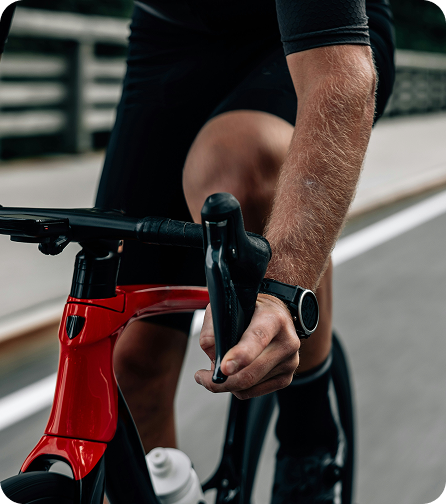
The average age of Olympic champions has increased from 23 to 28 over the last decade (IOC data, 2024). The culprit is not doping, but biohacking — a science that transforms the body into a precise algorithm. From Cristiano Ronaldo to Simone Biles, top athletes spend up to $500,000 a year to reprogram their DNA, sleep, and metabolism.
Sleep as Doping
The traditional 8 hours is an outdated standard. Modern athletes use:
- Phased Sleep: 3 cycles of 90 minutes during the day + 2 hours at night (a method developed for NASA astronauts). Increases REM (rapid eye movement) phase by 40%, accelerating muscle recovery.
- Gamma Rhythms: The Dreem 4 device stimulates the brain with frequencies of 30-100 Hz, reducing sleep onset time to 2 minutes. Trials on Tampa hockey players showed: a 20-minute session = 3 hours of deep sleep.
- Temperature Swings: Falling asleep at 16°C + waking up in a 85°C sauna. Activates heat shock proteins (HSP70), which repair mitochondria.
Cybernetic Body
- NAD+ Implants: Nicotinamide adenine dinucleotide capsules, implanted under the skin, continuously supply cells with energy. A pilot project with Adidas runners showed: +18% endurance over 10+ km distances.
- Exosuits: RoboMat from German Bionic Boost — a neural network “second skeleton” that learns your biomechanics. Eliminates 92% of parasitic movements in shot put.
- NightChip Eye Drops: Photosensitive nanoparticles that improve night vision by 300%. Used by Norwegian biathletes for shooting in twilight.
In 2022, Stanford neuroscientists made a breakthrough: they proved that prefrontal cortex stimulation via transcranial micro-polarization (tDCS) increases stress resistance by 45%. The technology was immediately adapted by the NBA — Golden State players use Halo Sport 2 helmets before training. The device generates weak currents that “warm up” neural networks responsible for creativity.
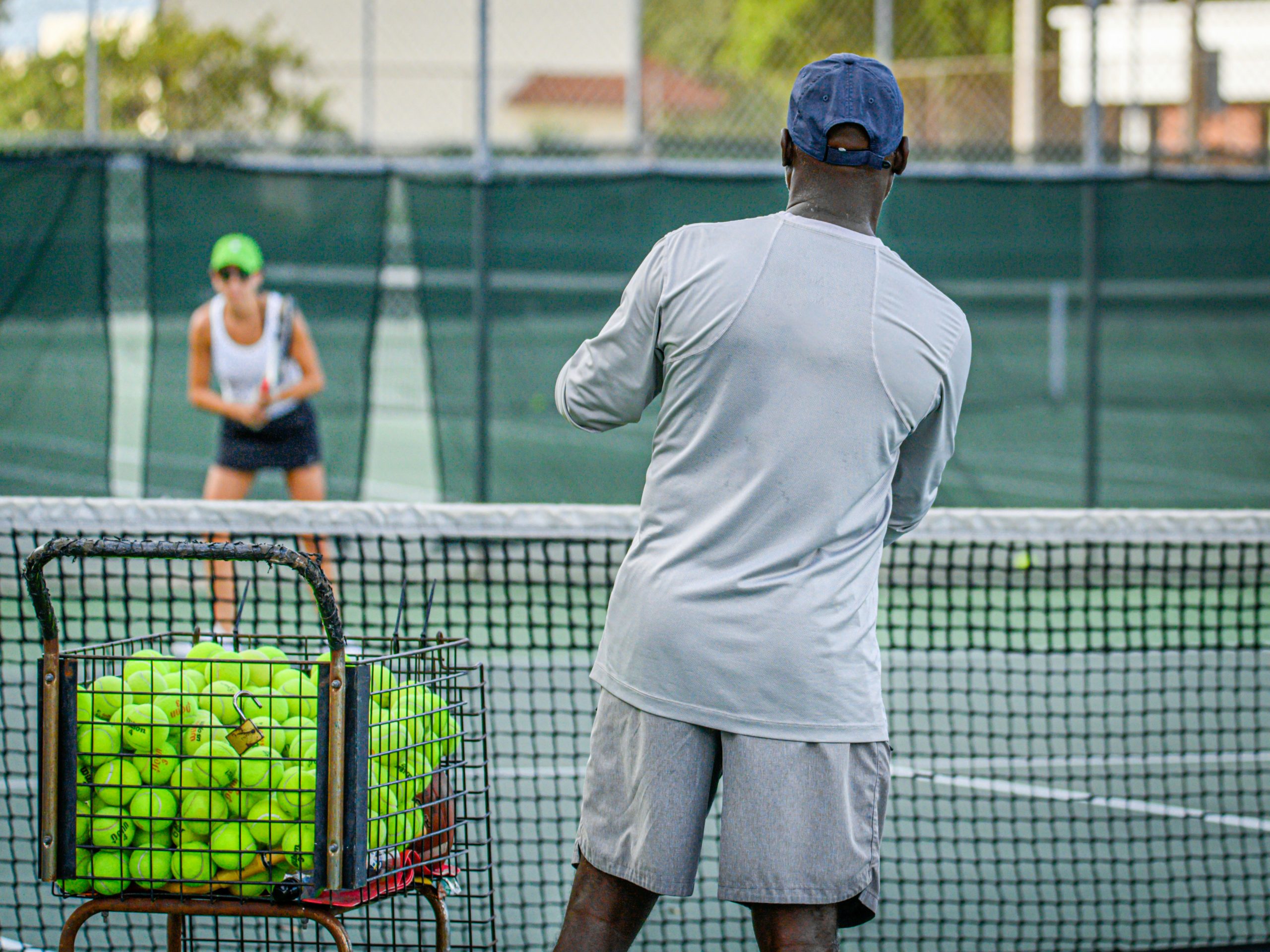
But the real phenomenon is “neurofeedback meditation.” Serbian tennis player Novak Djokovic practices it for 20 minutes daily: real-time EEG sensors show which thoughts reduce concentration. “Before, I used to get angry at the wind or crowd noise. Now my brain ignores it, like an antivirus ignores malicious code,” he says. A 2024 study confirmed: in athletes training neurofeedback, amygdala activity (fear zone) decreases by 37% in critical moments.
Where is the Red Line?
WADA has not yet banned 68% of biohacking methods, but debates are heating up. When 17-year-old swimmer Lukas Krajewski set a world record using gene therapy to increase pulmonary capillaries, FINA took 3 months to decide whether to allow him to compete. “This is not doping,” his coach insisted. “We just gave the body what it could have developed itself in 20 years.”
Future: Biohacking as a Lifestyle
By 2030, athletes will be born with a “biohacking firmware.” Genomic Prediction already offers IVF parents the choice of embryos with an “optimal” combination of 273 athletic genes. And the startup Neuralink is developing implants that will allow motor skills to be uploaded directly into the brain — imagine a novice mastering a backflip in 5 minutes, like Simone Biles.
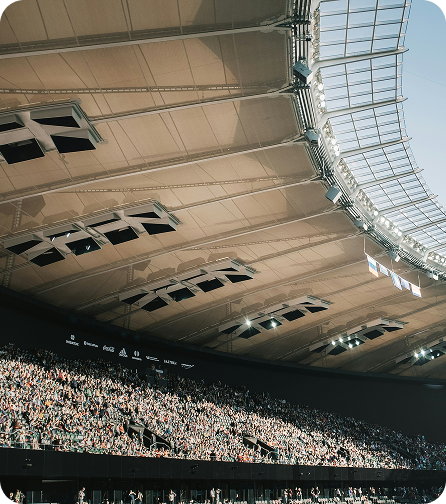
But the main trend is ecosystemic biohacking. Example: Nike Blueprint project in Tokyo, where stadiums are designed with players’ biorhythms in mind. Lighting, sounds, and even smells are synchronized with their physiology, transforming sport into a symbiosis of architecture and biology.
Starter Kit for the Amateur Biohacker
- Gadget: Oura Ring 4 — tracks heart rate variability (HRV) to calculate ideal training times.
- Supplement: NMN (nicotinamide mononucleotide) — prolongs mitochondrial youth.
- Habit: 5 minutes of Wim Hof breathing method before breakfast — boosts immunity by 38%.
Biohacking blurs the line between human and superhuman. In high-performance sports, technology becomes an indispensable component of victories. However, one should be careful with anything that can harm the human body and pay close attention to one’s own health.
Sources:
- Stanford tDCS Study, Nature Neuroscience, 2022.
- Manchester City Edge10 Case, Sports Tech Journal, 2024.
- Extreme Environment Training Report, Journal of Applied Physiology, 2023.
- DIY Biohacking Risks, WADA Alert, 2025.
- Genomic Prediction Ethical Review, The New Bioethics, 2024.